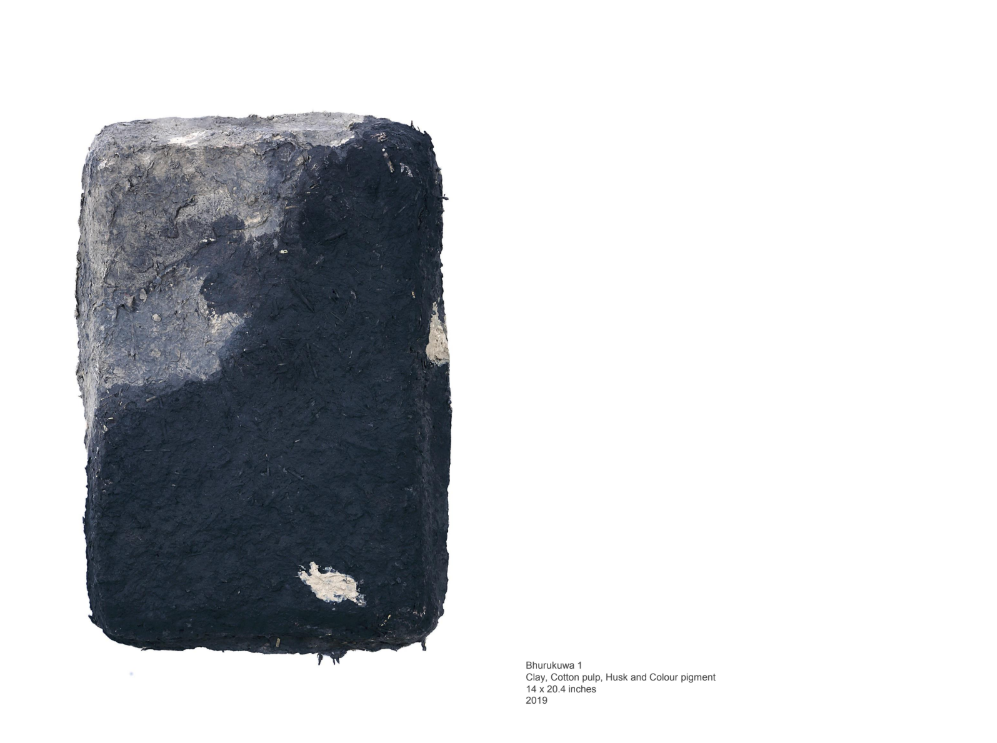
 Pulp · pigment · 2023
Beaten Fibre
Abaca beaten to a skin — the sheet holds earth pigment the way a field holds first rain, matte and breathing.
Home / Working with Pulp
Material alchemy — abaca, hand-hammering, ochre and indigo, 2023 and ongoing
STPI challenged Shambhavi to explore hand-beaten pulp and mineral pigments. Each sheet becomes terrain — layering fibers, ochre and indigo into immersive surfaces where materiality becomes a language.
Working with abaca fibers from the Philippines, the process begins with beating — repetitive hand-hammering that breaks fibers to their most basic form. Into this, mineral pigments are introduced: ochre from the earth, indigo from tradition, organic colourants that shift with light.
The works reject the flatness of paper. They are mountains, valleys and canyons of fiber — textural landscapes that invite touch and demand slow reading. Each layer a decision, each pigment a gesture — of labour, ancestral knowledge and resistance in the most delicate materials. Process: hand-beaten pulp with mineral pigments · Materials: abaca, ochre, indigo, organic pigments · Dimensions: sheets 12x18 to 24x36in · Year: 2023–ongoing.
Pulp · pigment · 2023Abaca beaten to a skin — the sheet holds earth pigment the way a field holds first rain, matte and breathing.
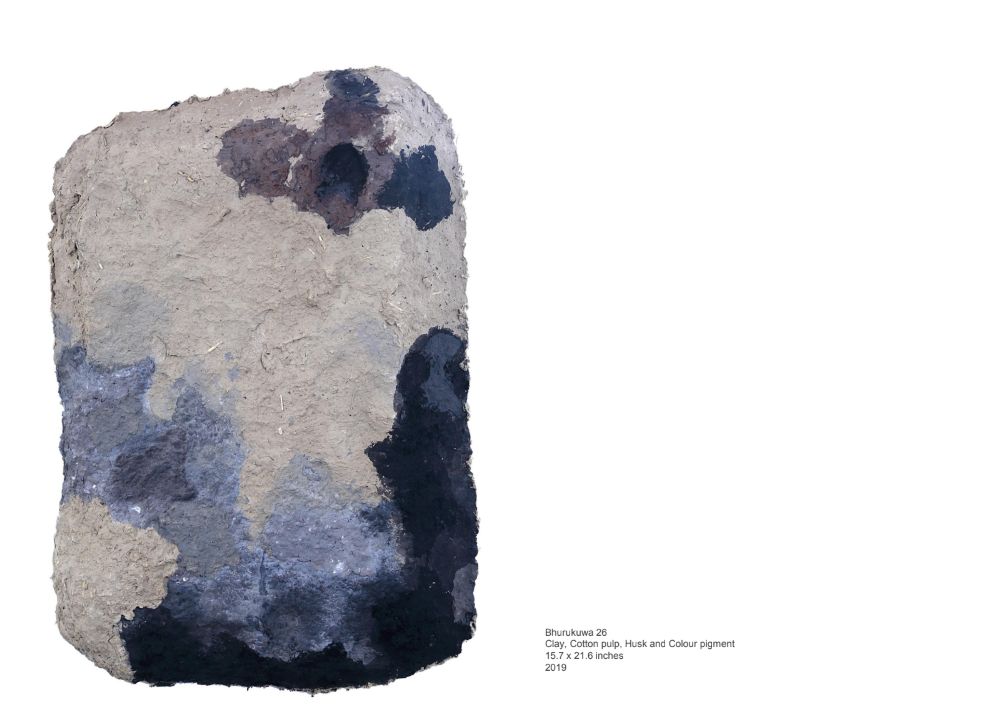 Process · indigo · 2023
Each sheet is hammered by hand — indigo and organic colour worked wet into wet, so the mark and the ground dry as one body.
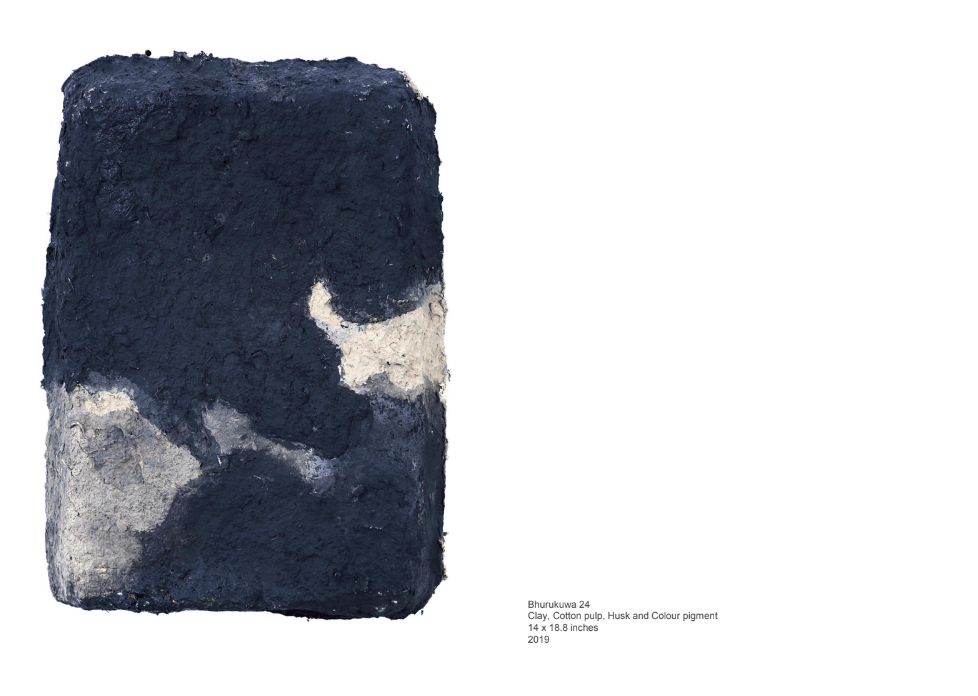 Finished sheet · 2023
Ochre and mineral settle into the grain — finished sheets that read as terrain, wall and page at once.
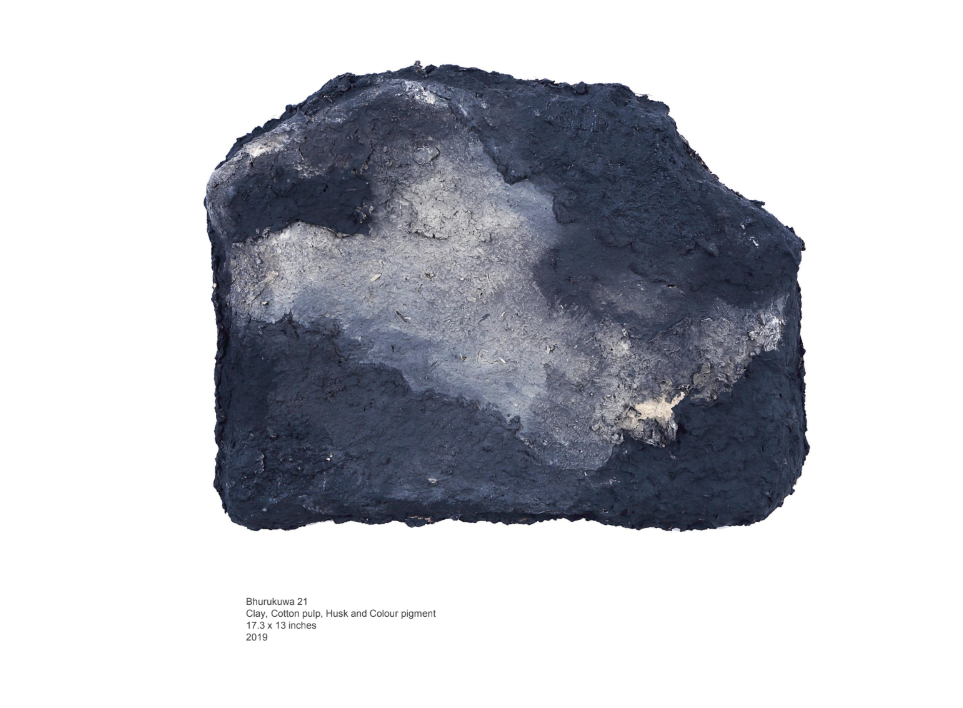 Terrain · 2023
Layered valleys of fibre — textural landscape where labour and ancestral knowledge hold in delicate material.